Botox rarely lives up to the hype when it is treated like a magic wand. It earns its reputation when it is used thoughtfully, paired with clear goals, and integrated into a broader plan for skin health. Over years in medical aesthetics, I have learned that the best Botox results rely on restraint, mapping muscle activity, and synchronizing treatment with the way your face actually moves. The goal is not to freeze your personality. The goal is to dial down lines that age you or distract from your features, while keeping expression and identity intact.
Botox is a neuromodulator. In practical terms, it softens the muscle contractions that crease the skin. When those contractions calm down, dynamic lines fade and, with time, etched lines can soften. That simple mechanism becomes powerful when you match dose and placement to your facial anatomy and your aesthetic priorities. This article walks through how to set those priorities, how to choose a provider, and how to combine a Botox cosmetic procedure with skincare, lifestyle, and sometimes other modalities to elevate your look, not erase it.
What Botox does well, and where it struggles
Botox injections excel at dynamic wrinkle treatment, the lines that come from repeated movement. If you lift your brows and see crosswise forehead lines, that is a classic area for botox for forehead lines. If you frown and see vertical “11s” between the brows, botox for frown lines is designed for that corrugator complex. If you smile and see radiating etches around the eyes, botox for crow’s feet can soften them without dulling your smile when dosed well.
Static lines, the ones etched into the skin even when your face is at rest, are less responsive. They often improve after a few cycles of botox wrinkle reduction because reduced movement gives the skin a chance to remodel, but they may also need resurfacing or filler for full correction. Very fine crepey texture, especially under the eyes and on the cheeks, is usually better handled with energy devices, biostimulatory treatments, or diligent skincare, although dilute microdroplet botox facial treatment in select zones can give a subtle skin smoothing treatment when used by advanced injectors.
There is also a limit to lift. Botox is not a substitute for surgery, and it is not a volumizer. It can create the impression of lift by relaxing muscles that pull downward, such as in a botox brow area treatment, but if heaviness comes from skin laxity or volume loss, neuromodulation alone will not reverse it. Understanding these boundaries avoids disappointment and unnecessary cost.
The art of dosing: why the numbers matter less than the map
People often ask, how many units? The better question is, where and why? I have patients who look overdone at 12 units in the forehead because their frontalis is short and hyperactive, and others who need 20 to 24 units for natural control because their forehead is tall and their brows are heavy. The map matters. Good botox face injections respect the vertical height of the forehead, your brow position at rest, and the balance between the lifting frontalis and the downward pull of the depressors around the brow and glabella.
A careful injector starts by watching your face at rest, then with expression. They palpate to feel which muscle bellies fire hard. They mark points with a white pencil, not just dots spaced evenly like a grid, but a pattern tailored to your movement. In the crow’s feet region, the injection points should sit at or slightly beyond the orbital rim to avoid hitting the lower lid and causing a smile that feels “off.” For frown lines, the depth and angle matter to catch the corrugator and procerus, which sit at varying depths. This is where experience shows; the difference between good and great botox cosmetic injections can be a few millimeters’ difference in placement.
Underdosing strategically is often wiser than chasing total smoothness on the first visit. A conservative approach lets you adapt, avoids brow heaviness, and leaves room for a small touch-up after two weeks, once the botox neuromodulator has fully taken effect. It is easier to add than to undo.
Natural, not frozen: a practical philosophy
A face reads as natural when it retains micro-movements. The goal is botox wrinkle softener, not paralysis. I aim to keep 20 to 30 percent of movement in the forehead for most people. This preserves a hint of lift so the brow line does not feel heavy, particularly in those with low-set brows or mild eyelid skin redundancy. For the glabella, I usually aim for 80 to 90 percent reduction because those “11s” tend to telegraph stress. Around the eyes, a softening treatment that still allows crow’s feet to crinkle slightly can look more like a well-rested version of you, not a different person.
The conversation up front is key. Tell your provider what you like about your expression and what bothers you. Some clients enjoy a lifted, snatched eyebrow. Others prefer a flat, calm brow. There is no one right answer, just honest preferences and a botox cosmetic solution that serves them.
Strategic areas that offer outsized impact
Forehead and glabella are the bread and butter. That said, a few small zones, when treated with precision, create a refined finish.
- Lip flip for subtle definition: Microdroplet botox injectable treatment along the border of the upper lip can let it evert slightly, adding a hint of show to the vermilion without filler. It is best for someone who wants a delicate change, not volume. The trade-off is a temporary learning curve with sipping from straws. Expect three to six units total in most cases, with effects lasting six to eight weeks, shorter than standard areas. Bunny lines that carve the nasal bridge: If you scowl or smile and the nose wrinkles deeply, a tiny dose into the nasalis can smooth it. Overdoing this area can feel odd when you laugh, so stay conservative. Chin dimpling and pebbling: Hyperactive mentalis creates a pebbled chin and can pull the chin upward, shortening the lower face. Botulinum injections relax that tension, producing a smoother chin contour and, in some cases, easing downward pull at the corners of the mouth. Masseter slimming: For those with bruxism or a square jaw from hypertrophic masseters, botox muscle relaxer injections into the masseter can reduce clenching and, over months, soften the lower face silhouette. Results are gradual and often require 20 to 40 units per side to start, with maintenance every 4 to 6 months. Platysmal band softening and the so-called “Nefertiti” approach: Carefully placed botox aesthetic injections in prominent neck bands can soften neck lines and subtly improve jawline definition by reducing downward pull. This is best for mild cases and does not replace skin tightening or lifting procedures.
Each of these has nuances. For example, over-relaxing perioral muscles can affect speech or mouth seal. Masseter treatment can temporarily reduce chewing strength. The right plan comes from a candid discussion of habits, occupational voice use, and your tolerance for risk.
Timing, cadence, and maintenance
A typical botox therapy effect starts to show in 3 to 5 days, peaks around two weeks, and then gradually tapers. Most clients plan botox maintenance treatment every 3 to 4 months for the upper face. Some see an extended duration after several cycles, as the brain unlearns habitual over-contraction, and can stretch to 5 months. Heavy exercisers sometimes notice shorter duration, likely due to metabolism and blood flow, so plan accordingly.
If you are preparing for an event, schedule a full treatment 4 to 6 weeks beforehand. That buffer allows for adjustments and ensures any small injection marks or transient bruises have faded. For photo-heavy events, consider light skin-polishing treatments or brightening skincare at the two-week mark to complement your botox skin smoothing.
The safety profile, honestly stated
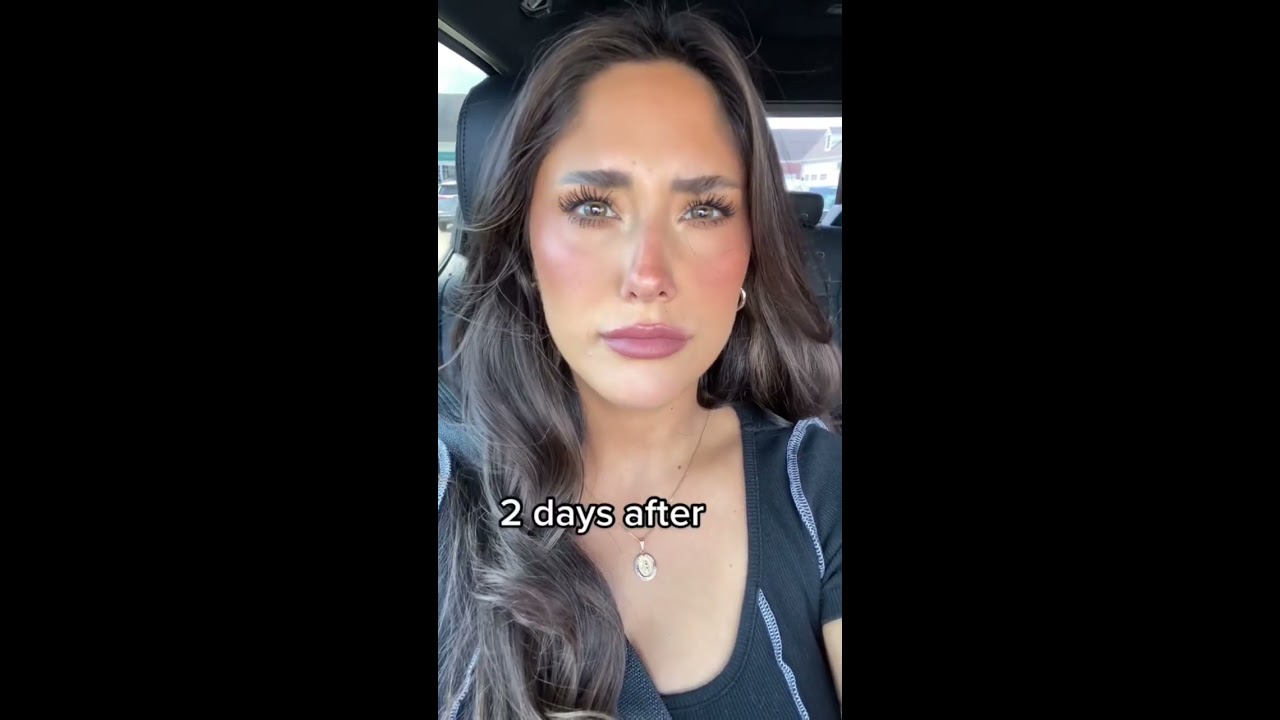
Botox injectable has an excellent safety record when administered by trained professionals using authentic product. The most common side effects are minor and short-lived: redness at injection sites, small bumps that resolve within an hour, and occasional pinpoint bruising. Headache can occur, usually mild. Heavy brows or eyelid droop (ptosis) are uncommon and typically relate to placement or diffusion into muscles that lift the lid. When they occur, they usually improve over 2 to 6 weeks, although prescription eye drops can temporarily help lift the eyelid.
Contraindications include pregnancy and breastfeeding, certain neuromuscular disorders, and active skin infection at the injection sites. If you are on anticoagulants or high-dose supplements like fish oil, discuss bleeding risk. Avoiding heavy massage, downward pressure, and hot yoga for the rest of the day can reduce unwanted diffusion. Sleeping face-up the first night is a small insurance policy. These small habits can matter.
Selecting a provider who respects your face
The skill difference between injectors shows up in nuance. Study their before-and-after gallery, not just the spectacular transformations. Look for consistency in brow position, symmetry, and skin texture, and not every forehead smoothed to a uniform sheen. Ask how they approach a first visit. A good sign is a provider who takes a thorough history, watches your expressions from multiple angles, maps your anatomy, and discusses botox preventative treatment versus corrective dosing.
The conversation should include risks, alternatives, and cost transparency. Beware of deep-discount botox shots that treat every face with the same template. Authentic botox cosmetic services come from clinics Alpharetta botox that store and reconstitute properly, use the product within a reasonable window, and document lot numbers in your chart.
The preventative argument: stop lines before they etch
Wrinkles do not form all at once. Repeated creasing, combined with thinning collagen, slowly etches lines that become static. Strategic, low-dose botox wrinkle prevention in your mid to late twenties or early thirties can slow that process. This botox line softening treatment approach is not about freezing a young face. It targets the few muscles that work overtime, based on your genetics and habits.
I often suggest a “challenge test.” Skip treatment for one cycle and take high-resolution photos with brows raised, brows furrowed, and eyes smiling. Compare to images from six months earlier. If lines at rest are deepening quickly, you are a candidate for preventative neuromodulation. If not, put your budget toward retinoids, sun protection, and perhaps energy-based collagen stimulation, then revisit botox cosmetic enhancement in a year.
Pairing Botox with skincare and procedures for compound gains
Botox on its own gives a smoother canvas. You can amplify results by improving the canvas itself. Daily sunscreen prevents the UV-driven collagen breakdown that makes wrinkles show sooner. Nightly use of a well-formulated retinoid, adjusted to your tolerance, stimulates collagen and speeds cell turnover, improving fine lines independent of muscle movement. A peptide or growth factor serum can support repair, while a hyaluronic acid serum boosts immediate plumpness.
For deeper etched lines, consider complementary treatments. Light or medium chemical peels and fractional laser resurfacing tackle the etched texture that botox cosmetic anti aging alone will not fix. Microneedling with platelet-rich plasma enhances glow. For volume loss around the temples, cheeks, or mouth corners, hyaluronic acid fillers restore structure that lifts and smooths, while botox wrinkle relaxing injections keep movement from re-etching the surface. Think of this as a layered strategy: botox for dynamic wrinkle control, targeted resurfacing for texture, and selective volumizing for contour.
Tailoring treatment by facial type and lifestyle
Someone with a thin, delicate forehead often shows movement lines early, but they may also tip into heaviness if treated aggressively. I underdose and avoid the lowest forehead points near the brows to preserve lift. A client with a strong frontalis and thicker skin may tolerate a higher dose and more coverage to prevent the “accordion” effect of long horizontal lines.
Athletes who train intensely may burn through botox smoothing injections faster. Plan visits more frequently or accept that perfect smoothness in month four might not be realistic. Teachers, actors, and public speakers rely on facial expression to hold attention. Here, we keep the upper third of the forehead active and focus more on the glabella and crow’s feet to reduce the “tired” cues without flattening the story your face tells.
Frequent flyers and people in dry climates often complain about crepiness around the eyes. Combine cautious botox eye wrinkle treatment with aggressive hydration strategies, a humidifier, and barrier-repair moisturizers. The eyelid skin responds to gentle care plus microdoses far better than to heavy neuromodulation.
Cost, value, and expectations
Pricing varies by market, injector experience, and whether clinics charge by unit or by area. Charging per unit tends to be fairer if you have a lighter prescription. Paying by area can be simpler for those who want predictable costs. A realistic budget for a standard upper-face botox facial lines treatment sits in the range of a few hundred dollars per session, repeated three to four times a year. Masseter or neck treatments cost more due to higher unit requirements.
Value is not just smoothness per dollar. It is the quality of planning, the safety, and how well the outcome matches you. A conservative plan that takes two visits to get right often looks better and lasts a touch longer than an aggressive first pass that courts side effects.
What a first visit should feel like
Expect a consultation that covers medical history, past reactions, and your priorities. Good providers ask what you like about your face and what you want to preserve. They may mark points and, if needed, use a mirror to show you how particular muscles contribute to the lines you notice. Numbing cream is rarely necessary for botox cosmetic care in the upper face; the needles are tiny and the injections quick, though you can request ice or vibration for comfort.
The botox procedure itself takes minutes. You might see small raised blebs that flatten within 10 to 20 minutes. Some offices offer arnica gel and cool packs to minimize bruising. Makeup can go on after a few hours if the skin is intact. Plan the rest of your day without strenuous workouts or sauna sessions.
Two weeks later, you should have a follow-up. This is when a provider fine-tunes, adds a few units if needed, and takes notes on how your anatomy responded for future visits. The adjust-and-learn loop is how a routine becomes personal.
My playbook for a subtle refresh that elevates, not alters
The fastest way to look refreshed is to choose the two or three expressions that age you most and relieve them. For many, that means softening the frown complex so the face reads less stern, then taking the edge off the crow’s feet while leaving enough crinkle to look real. Forehead lines are next, with a dose that preserves some lift. If vertical lip lines or a pebbly chin pull focus, add microdoses there. All of this together rarely exceeds 40 to 60 units for the upper face and perioral tweaks in average cases.
Parallel to this, commit to sunscreen every morning and a retinoid most nights. If you can layer in one or two skin-improving treatments a year, like a fractional laser or a medium peel, you will compound the gains from botox anti wrinkle treatment.
Managing edge cases and troubleshooting
Brow heaviness after a forehead treatment often comes from over-relaxing the frontalis, especially low near the brows, without adequately treating the glabellar complex that pulls downward. The fix is not always to add more toxin to the forehead. Sometimes a small dose in the depressor muscles helps lift the brow line back to neutral. Time also helps, as the frontalis regains strength.
Uneven smiles after crow’s feet or perioral treatment usually relate to diffusion into the zygomatic major or minor, or the orbicularis oris. In most cases, it is subtle and improves as the product tapers. It is a reminder to choose conservative dosing and precise placement in mobile areas.
Short duration can be multifactorial: high metabolism, heavy exercise, or underdosing by design. If you reliably lose effect at 8 weeks, discuss adding a few units or tightening your treatment interval. If you get a perfect month two and acceptable month three, but notice rebound at week ten, that is normal. Plan events with this curve in mind.
The role of microdosing and skin-quality protocols
Microdosing, sometimes called baby botox or microtox, uses smaller amounts placed more licensed botox clinics Alpharetta GA superficially over a wider area to soften fine lines without heavy muscle weakening. In skilled hands, it can improve skin reflectivity and texture, particularly in the lower face where movement is essential to natural expression. It is not a substitute for standard botox dynamic wrinkle treatment in strong muscles, but it is a useful adjunct for botox fine line smoothing in areas like the lateral cheeks.
There are also protocols that mix dilute neuromodulator with hyaluronic acid skin boosters for a combined glow and smoothing effect. These are off-label and require a provider with a steady hand and clear indications. If your goal is botox facial skin treatment that reads as “fresh air and good sleep,” not “procedure,” these approaches can fit.
Longevity through habits: what you do daily matters
No injectable outperforms daily SPF. Ultraviolet exposure accelerates breakdown of collagen that supports the dermis. Wear a broad-spectrum mineral sunscreen, reapply mid-day if outdoors, and use sunglasses to reduce squinting that deepens crow’s feet. Hydration, sleep, and stress management sound like the usual advice because they work. Nighttime grinding worsens jaw tension and can migrate lines from the chin and mouth. If you clench, consider a night guard in tandem with botox masseter treatment to protect your teeth and joints.
Avoid smoking, which shrinks blood vessels, slows healing, and etches vertical lip lines faster than any other habit. If you do smoke, be upfront. Your provider can calibrate expectations and focus on botox expression line treatment that mitigates the most visible effects.
Frequently asked questions, answered succinctly
- How long will it last? Expect 3 to 4 months in most upper-face areas, a bit less for microdoses around the mouth, and 4 to 6 months for masseters in many cases. Does it hurt? Most describe quick pinches. Ice, vibration, or a chilled metal roller reduces sensation. Will I look frozen? Not if you and your injector value movement and tailor dosing. Ask for partial modulation rather than complete suppression in the forehead. Can I work out after botox? Wait until the next day to resume intense exercise. Light walking is fine. When will I see results? Initial changes in 3 to 5 days, peak effect at two weeks.
Setting a plan that supports your identity
The strongest compliment I hear is when a patient’s friend says, you look rested, did you change your hair? The whole point of botox facial rejuvenation is to shift how you feel in your skin. The right botox aesthetic treatment blends into your life, keeps your face communicative, and aligns with your stage of aging. Some seasons call for lighter dosing because you are on stage, on camera, or just want more animation. Others call for more support because stress is high and sleep is short.
Your plan should flex with your life. Build it with a provider who listens closely, uses botox cosmetic therapy to highlight your best features, and brings the restraint that lets you own your expressions. With that partnership, botox skin rejuvenation becomes one tool among many that elevates your look while keeping you unmistakably you.